
All insights
Technology: the systems that make modern practices work
Start with the workflow
Technology should be chosen after the clinical and administrative workflow is understood, not before. A system that looks feature-rich but disrupts daily operations will lose adoption quickly.
The best implementations map each step of the patient journey and identify where automation, integration or better data can remove friction.
- Workflow first, software second
- Integration between systems reduces double-handling and errors
- User adoption is the real measure of success
Patient experience is a technology outcome
Online booking, reminders, digital forms and secure messaging are now baseline expectations. Practices that make these seamless reduce no-shows, improve data capture and free staff for higher-value work.
Data drives better decisions
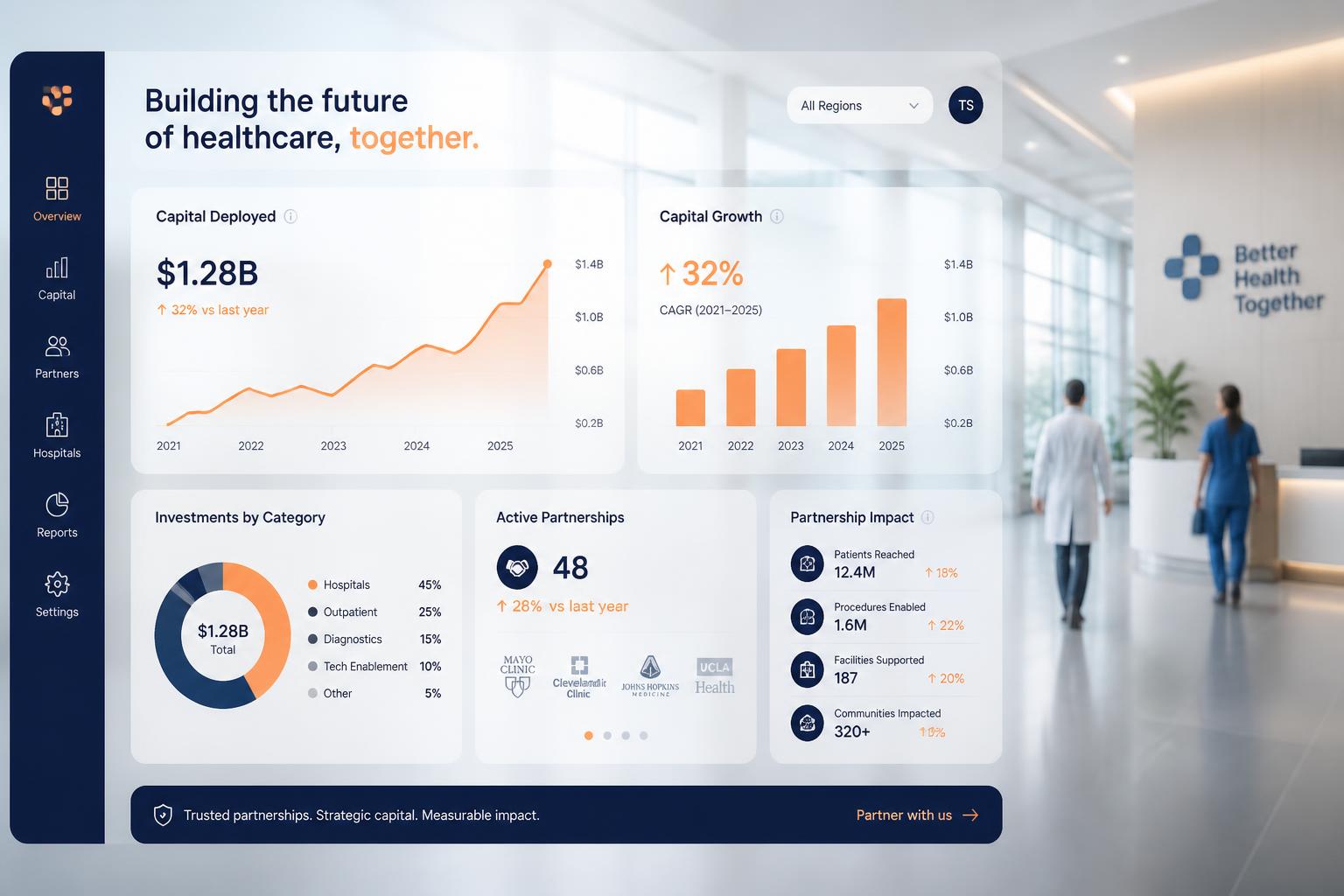
Reporting dashboards that combine clinical, financial and operational data give practice owners visibility that spreadsheets cannot match. The goal is faster, more confident decision-making.
- Define the decisions first, then build the reports
- Automate routine reporting to create consistency
- Use data to support advisory and capital conversations
Key takeaways
- Technology must fit the workflow, not the other way around
- Patient-facing tools are now baseline expectations
- Integrated data supports better clinical and commercial decisions